

What was my intention for the FMP?
I intended to create simple game that showed my passion for older Pokémon games such as Pokemon Mystery Dungeon: Explorers of Sky. I wanted this game to show everything I have learnt in the past academic year and also to push myself in both my artistic and programming skills. I was very keen to develop my mechanic ideas
Why did I choose this path?
I feel that games are becoming part of the history of my generation, the way they have developed and helped us grow into the people we are today. The game that still sticks with me to this day is Pokemon Mystery Dungeon: Explorers of Sky, the way it taught me to value kindness, friendship, forgiveness, and my own accomplishments. This is not the only game to do this, I have lost count of the lessons I have learnt from games. I feel it is important that we recognise the impact of these games on ourselves and those that follow us. I want to make a career out of making games and will do my utmost to pass on the lessons I learnt from my own gaming experiences.
How close did you stick to your original proposal?
In terms of what I created in Unreal, I feel I stuck quite close to what I had planned; There are three dungeon levels, a hub world and a boss as planned. When it comes to research however I did not stick close to my proposal and changed all of my secondary research. This is because during the planning process I did not ensure that my research topic were effective and appropriate for what I was trying to achieve. When performing a self review of the work completed at the halfway point I realised this issue and rectified it quickly (see blog post).
What technical and software skills did I use and develop in my FMP?
When I began my FMP, I felt that my existing knowledge of Unreal Engine would be adequate as a key part of my original plan was to use pawn sensing to have my enemy characters chase the player. Pawn sensing is something I have successfully executed before and I thought it would be simple to replicate. When it came to working with pawn sensing and 2D characters in Unreal it was anything but simple. In the end however, it pushed me to learn a new way of creating the desired result with AI perception and behavior trees.
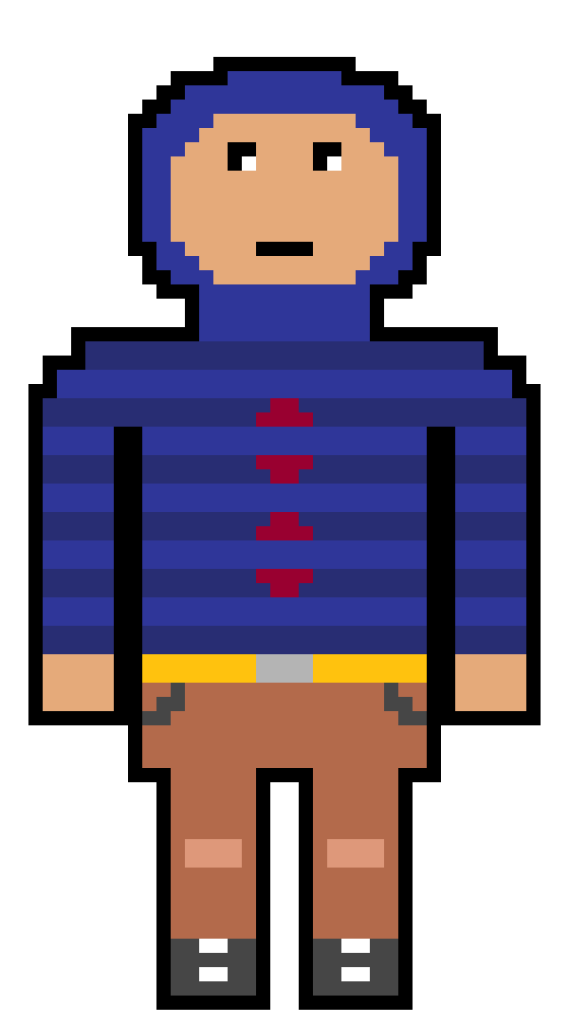
When I began I had to learn how to use Pixil to create pixel art effectively. Then when the results of my first pixel art survey came back not favouring the path I had taken, I decided to overhaul my sprites and part of doing this was to find and learn a different software. An analogy is the way someone learning would start on MS Paint and then learn Adobe Photoshop. For me this software was Aseprite, it had a larger array of tools to learn to enable me to develop my sprites with. I feel this switch was essential to creating the sprites in my final game.
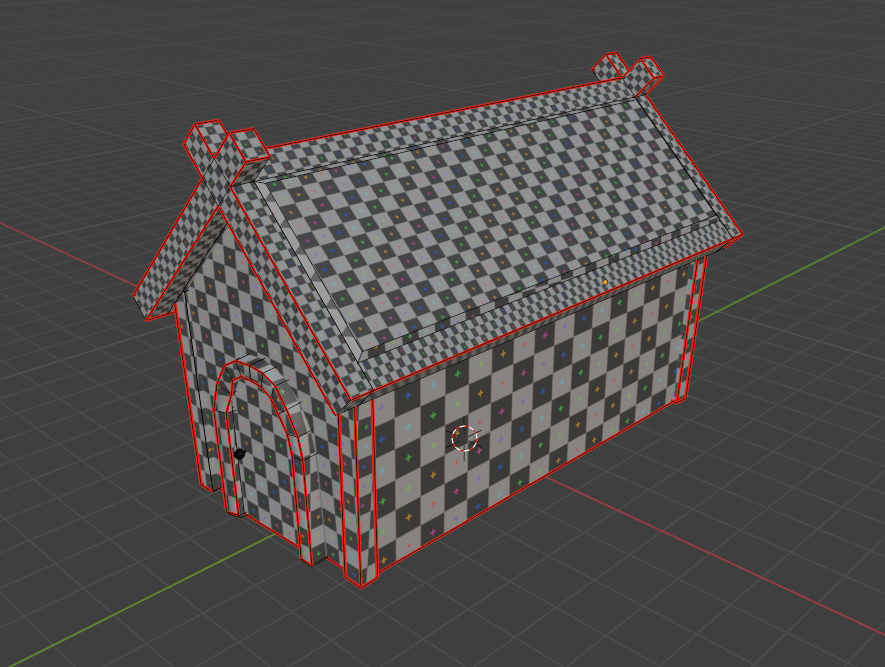
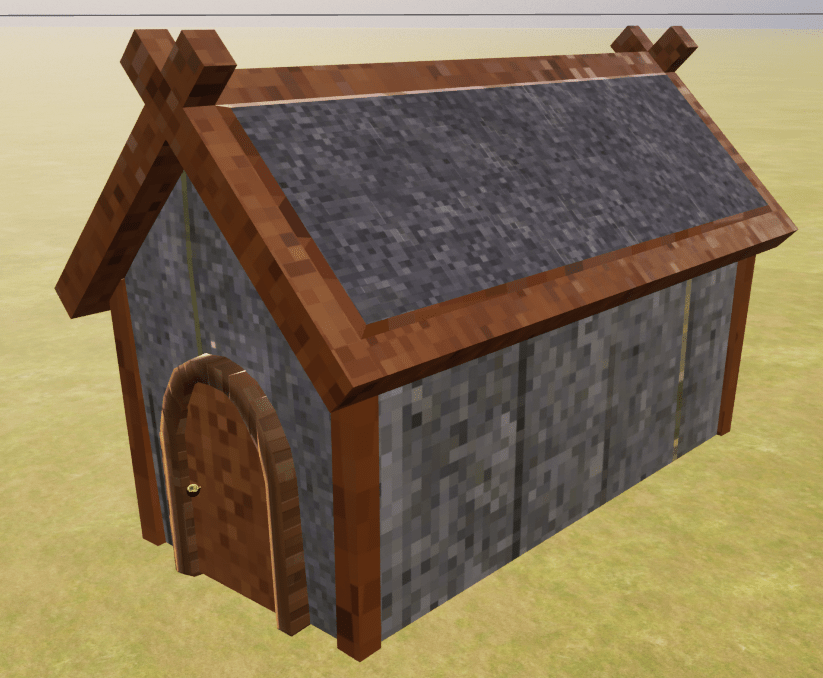
3D Modelling is something I felt the least confident in when starting my FMP. I had planned to only create a handful of simple models, small houses, rocks and pillars. Even this unfortunately was difficult to execute at a points, the main issue was the UV mapping of my objects. The small house I made is the best example of this as when I first made it, the UV mapping was atrocious leading to horribly stretched textures but with help I managed to fix them (see blog post).
What primary research did I undertake and how was it useful to my project?
The most substantial research I undertook was the story breakdown and boss analysis of Pokémon Super Mystery Dungeon. This helped me outline what key elements to include in my story and how to design attacks for my boss.
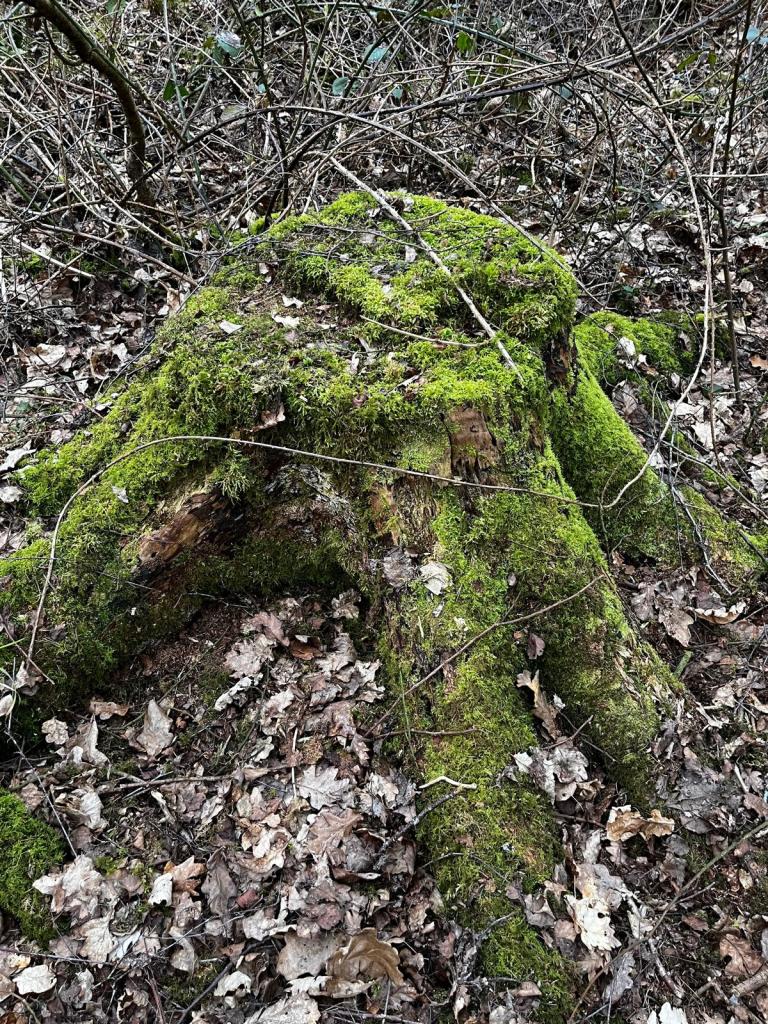
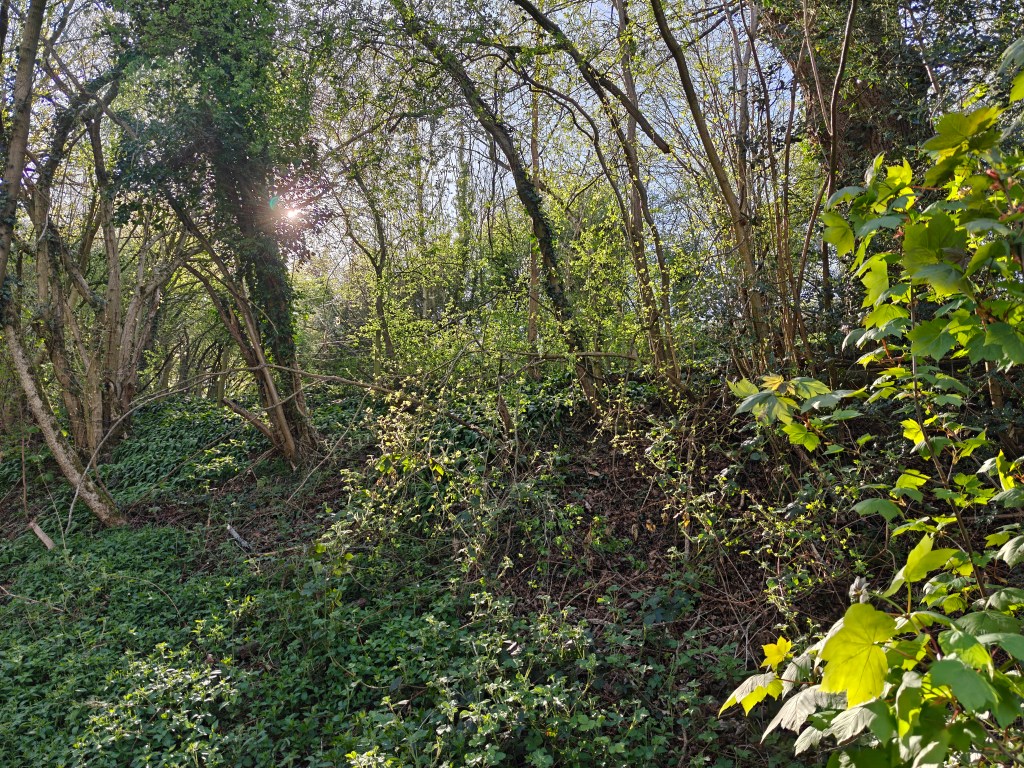
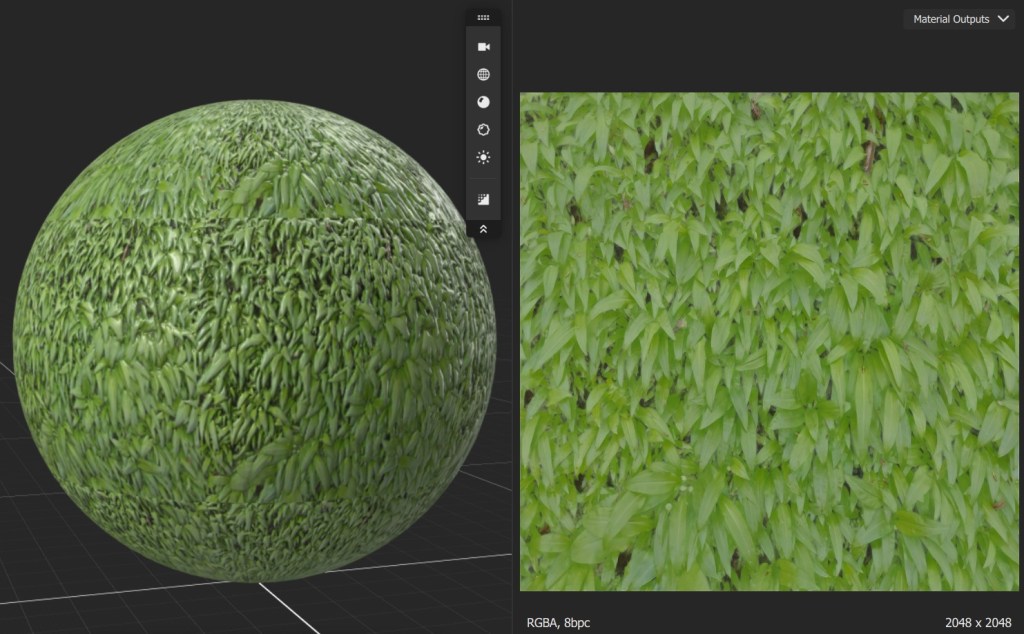
During this FMP I went to the Needwood Forest in Staffordshire while visiting family. I explored the forest environment and took pictures that I would later adapt into textures for my game. Whilst there I recorded atmosphere sounds and took note of the birds we heard using Merlin Bird ID. This recording was then used with the Forest d’Ombre level (See blog post).
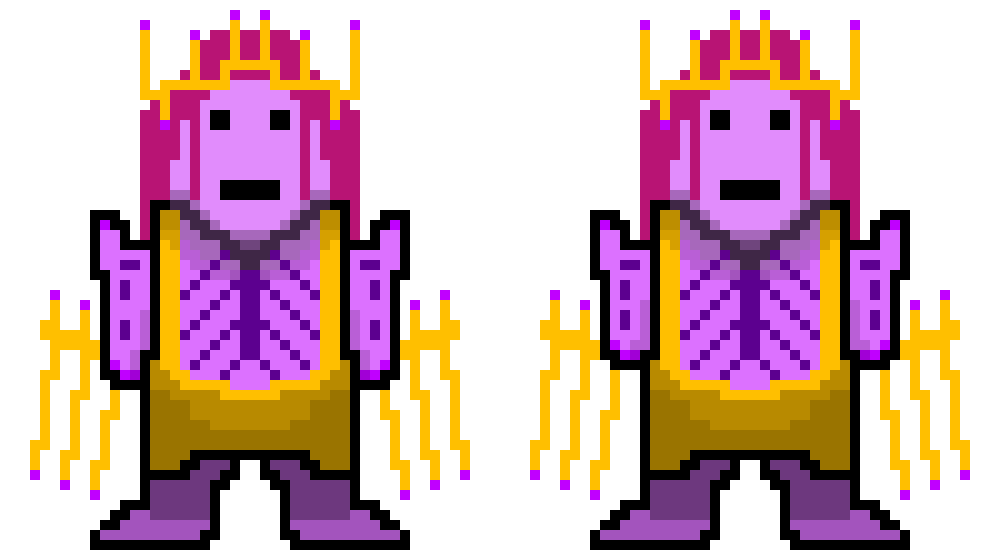
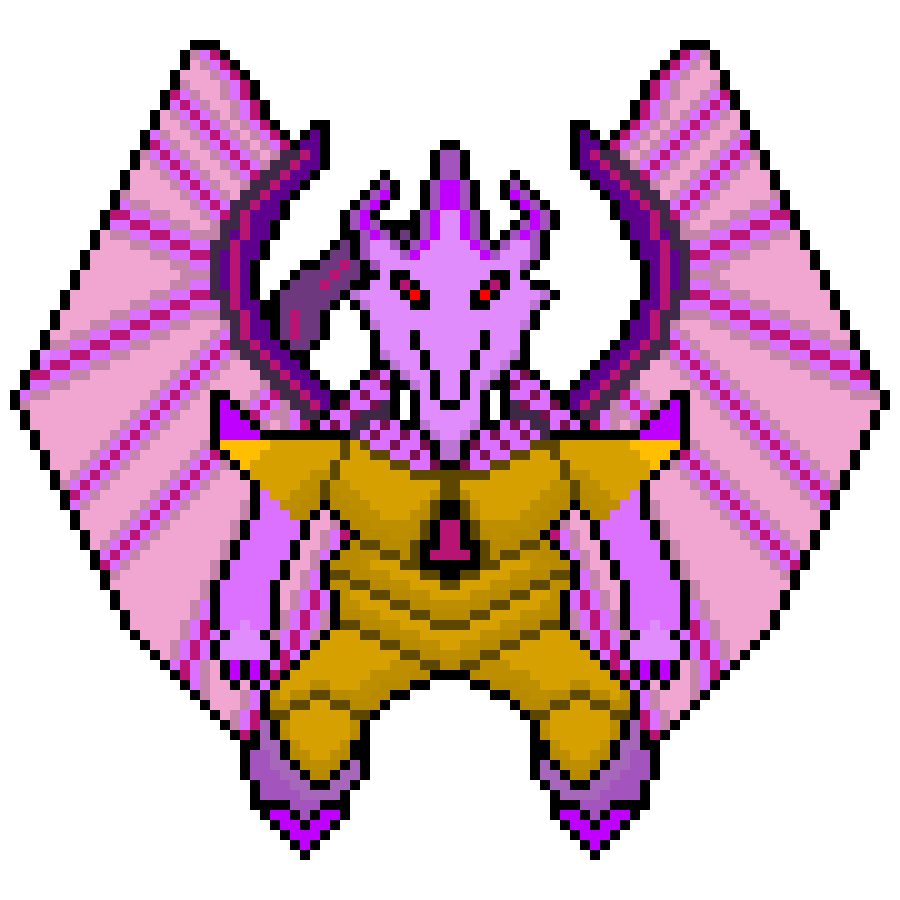
When I began this FMP I had decided that I wanted to use pixel art I had been making between assignments. It was suggested that I encourage people to review my art in a Pixel Art Survey. When the results were not as I expected it disheartened me but in the end I resolved to remake the pixel art in a new style with reflections on what I did wrong and where I could improve.
I felt it was important to get critical feedback on all aspects of my FMP, to this end I created a Focus Group. Meeting with this group helped me refine my ideas, bounce new ideas off them and get their input of what my final product should look like. At a later point in the FMP I had the group play my final product and suggest last minute changes, this research also acted as testing. This enabled me to fix bugs I would not have noticed otherwise.
Just over a week before the FMP was due the college had an open evening and I offered my support to my teachers and asked if I could have visitors test run my game, with a survey to do afterwards. While this was limited in its results due to only being able to encourage a handful of people to play my game and fewer completing the survey after, I felt it was important to get this critical feedback. One young man, who I hope joins this course in the future gave me an excellent idea on how to implement a “lock on mode” for targeting enemies so a controller could be used instead of mouse and keyboard making the game more inclusive.
What secondary research did you undertake and how was this useful to your project?
I found creating my fireball in Unreal Engine was difficult to execute as I could not figure out what was to be fed into the “transform” pin of the “spawn actor” node. This led me to do a lot of research into transforms in Unreal. This research helped me create the fireball I wanted and understand Unreal Engine, better in the process.
When designing my characters I chose to research Fire Emblem Engage’s character design through an art book I had and a developer interview I read. This helped me establish my own style by building on other styles I enjoy.
I felt it pertinent to explore what makes a good dungeon crawler. To this end I looked at an article on what makes this type of level effective and it gave me a lot of good suggestions on how to make my levels interesting and diverse.
For establishing what my environments should look like, taking my initial ideas I had on what my levels should look like I felt I should research areas similar to my second and third levels. To this end, I researched the Mlynki Crystal Cave in Ukraine for my second level and Vilcabamba for my third level. This location research helped me think about what would appear in each level.
What obstacles and challenges did I face while creating my FMP and how did I overcome them?
The creation of my fireballs felt the biggest mountain to climb but I was able to overcome this through perseverance and research.
Learning from survey that people felt my pixel art was “rigid and stiff” alongside other comments, made me reconsider my use of pixel art. Yet through understanding what made good pixel art I was able to overhaul what I had made into something better.
When 3D modelling I felt that UV Mapping was a serious obstacle to creating my own 3D models yet asking for help made sure I was able to understand how UV projection works.
I feel that I spent too much time early on making my game and then having to catch up on writing towards the end, yet through hard work I managed to write everything I needed to in time for the deadline.
Near the conclusion of the FMP I found my Unreal project file was corrupt and I had to rely on a back up I made the day prior and rushed to repair my error.
Which skills did I improved during my FMP?
The greatest skill I have learnt and developed is my ability in the Unreal Engine. When I started this project I had only just figured out how to make branch/IF statement work in my mechanic example for the Unit 4 & 7 assignment. Now I am able to create complex chains of events, I have also self taught on creating 2D sprites with 8 way directional movement, I fully understand how a “transform” works and how to effectively use it to make a projectile.
When I started this FMP I was not confident in my artistic ability and now after creating pixel art sprites and learning more about what makes them effective has built my confidence in this area.
The personal skill that I have improved most is my perseverance. When it came to figuring out the complex Blueprints nodes I needed to sequence and chain events effectively for the game to unfold as expected I needed to persevere throughout the trials and tribulations this challenge put me through. This was especially true when a mechanic would work fine but when tested again it would not, was immensely frustrating yet I persevered and made it work.
Whenever I doubted my path in this project I tried to remember what Ryoma says to the player at the end of the Conquest route of Fire Emblem Fates: “Now is not the time to look back. Wake up and stand strong. Put one foot in front of the other and press onward”. This will always get me back on my feet and powering through any challenges I face.
Which part or parts of the FMP did I feel worked well?
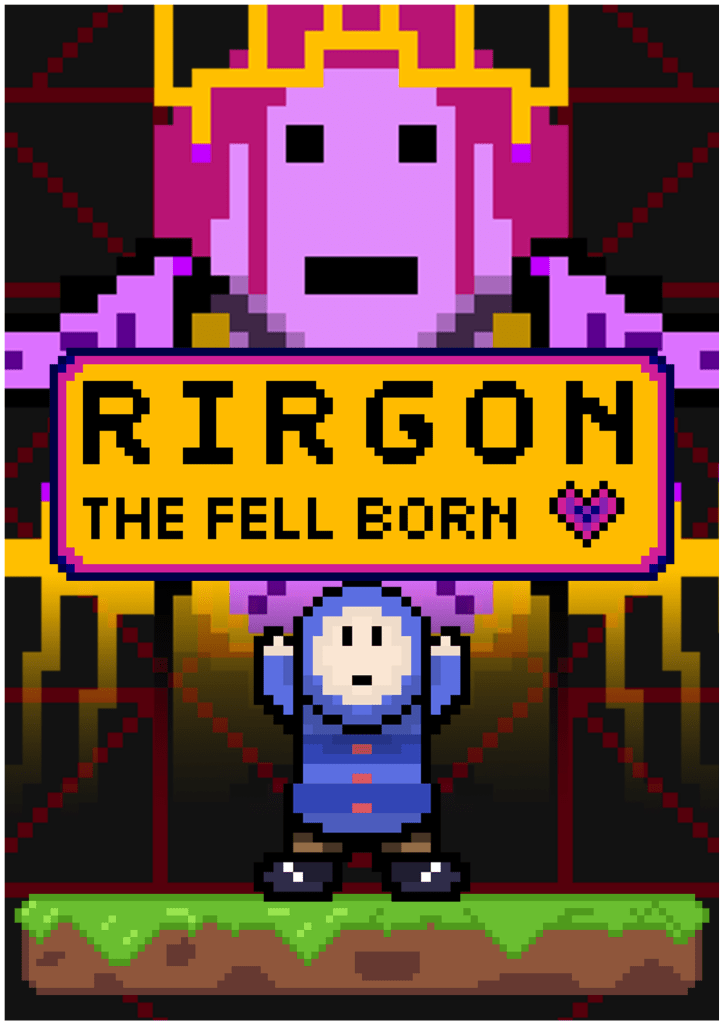
The production of Rirgon: The Fell Born was immense fun despite frustrations with certain aspects of the code I produced. Taking my ideas and putting them in something a player could experience was an adventure of its own. The way my classmates encouraged me along the way, collaborating with me to come up with solutions and new ideas, made the project feel like it extended beyond me and I don’t think my game would be as good as it is, without them.
What might I do differently?
There are two key steps I would take if I were to do a new project:
- I would complete some preliminary research to ensure I am targeting the correct areas of research, as in this project I felt I simply chose games and subjects that I guessed would help me along the way without ensuring that they would.
- I would learn how to create my own 3D modelled characters so I can create a greater variety of game styles. To a degree, my progress was slowed in some areas of production due to making my 2D pixel art characters work in the Unreal Engine. Despite this I do wish to continue to create pixel art games.
- Not leave key recordings of videos and voice overs to the last day so I am able to make more attempts at recording and refine my performance.
What will I do next?
I want to continue working on Rirgon, both improving aspects of this game and I want to continue his story and make more games revolving around him as I feel I have only just scratched the surface of his story I can tell.








 Sublime Theros